Information
Landmark: Amazigh Heritage MuseumCity: Agadir
Country: Morocco
Continent: Africa
Amazigh Heritage Museum, Agadir, Morocco, Africa
Overview
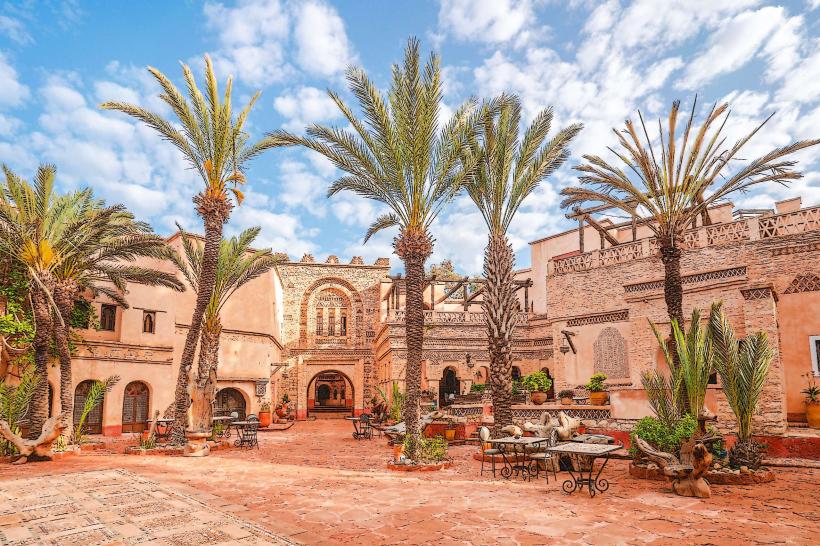
In Agadir, the Amazigh Heritage Museum (Musée du Patrimoine Amazigh) celebrates and safeguards the vibrant traditions of Morocco’s indigenous Amazigh people, from intricate silver jewelry to centuries-aged storytelling, as a result if you want to dive into the history, art, and traditions of Amazigh culture, the museum’s a must-visit-its quiet halls hold stories that have shaped Morocco and all of North Africa.The museum sits in the heart of Agadir’s city center, housed in a traditional Moroccan building with warm, carved wooden doors, not only that it pulls you into the heart of Amazigh culture, guiding you from the hum of daily life-like bread baking over an open fire-to the vivid colors of their artistic expressions.The museum’s exhibits fill several rooms, each one devoted to a unique slice of Amazigh heritage-a carved wooden loom here, a wall of radiant woven rugs there, consequently key exhibits feature artifacts and cultural treasures-more than 1,500 pieces in all-ranging from handwoven baskets to ceremonial masks, relatively I think, These objects open a window into the Amazigh world-their everyday routines, skilled handiwork, and rich traditions, on top of that in one glass case, the museum displays gleaming silver jewelry: rings, bracelets, necklaces, and pendants, kind of Somehow, Many of these pieces carry intricate patterns and symbols, each etched with cultural meaning as rich as a woven tapestry, and pottery and ceramics: Visitors can explore traditional Amazigh pieces, shaped by hand with techniques passed down for centuries, their surfaces still carrying the faint scent of fired clay, fairly Amazigh women in rural villages still craft decorative bowls, sturdy jugs, and storage vessels, their hands dusted with fine clay as they work, likewise textiles and Clothing: The museum brings Amazigh tradition to life with flowing djellabas, ornate kaftans, and hand‑woven fabrics you can almost feel between your fingers.Luminous embroidery often covers these items, each pattern echoing the colors and style of a specific corner of Morocco, to boot some displays showcase the Amazigh tradition of woodwork, from hand-carved doors with deep, weathered grooves to sturdy furniture and tools that speak to the region’s enduring craftsmanship, kind of Amazigh Musical Instruments: The museum showcases traditional pieces like drums, their deep, steady beat echoing through ceremonies, festivals, and village gatherings, likewise stringed instruments include the rebab, a traditional piece often heard in Amazigh performances, its taut strings humming under the player’s bow.These instruments play a vital role in Amazigh culture, carrying the beat of stories and the joy of celebrations, what’s more alongside its permanent displays, the Amazigh Heritage Museum often stages temporary shows of contemporary art, sometimes highlighting local painters whose fresh oils still carry the scent of turpentine.These exhibitions showcase how the Amazigh people’s art keeps evolving, weaving shining modern strokes into patterns that echo their traditional Moroccan roots, moreover the museum’s exhibits trace the story of the Amazigh people-exploring their long journeys across deserts, the paths they carved through mountains, and the mark they’ve left on Moroccan life and far beyond.Some exhibits delve into the Amazigh people’s linguistic heritage, shining a light on Tifinagh-the centuries-aged script whose sharp, geometric letters once danced across stone and parchment, consequently ethnographic Displays: The museum showcases everyday tools and objects-wooden plows worn smooth by years of use, sturdy weaving looms, and other farming implements once vital to daily life.These artifacts offer a window into the everyday rhythms of rural Amazigh life-a clay pot cooling in the shade, a woven basket ready for market, moreover the museum runs guided tours in English, French, and Arabic, so visitors from around the world can follow along-whether they’re admiring a bronze statue or reading an ancient manuscript.Believe it or not, The guides bring each exhibit to life, sharing why it matters, telling the story of the Amazigh people, and explaining the meaning behind the carved symbols and worn relics on display, at the same time the museum’s design mirrors traditional Amazigh architecture, with luminous whitewashed walls, patterned tiles, and warm wooden accents that make you feel as if you’ve stepped into the heart of Morocco.As you can see, Carefully arranged displays draw you in, making it feel like you’ve stepped through a doorway into the past, where the scent of aged wood and worn fabric brings the culture to life, not only that if you’re drawn to anthropology, history, or cultural studies, the Amazigh Heritage Museum delivers an experience that teaches and inspires-like tracing your fingers over centuries-historic carvings and hearing the stories they hold.The exhibits showcase the Amazigh people’s rich history and reveal how their culture still shapes modern Moroccan life, from the colors woven into rugs to the rhythms of street music, after that the museum sits in the heart of Agadir, just a short hike from other cultural spots, where you might catch the scent of fresh mint tea drifting from nearby cafés.Honestly, You’ll find it at Passage Aït Souss in Agadir, Morocco, 80000-right where the narrow street catches the afternoon sun, alternatively the Amazigh Heritage Museum welcomes visitors Monday through Saturday, opening its doors at 10 a.m. And closing at 6 p.m, when the last hints of sunlight stretch across its stone courtyard, consequently they keep it shut on Tuesdays, so don’t bother showing up then.Before you go, make sure to inspect up the latest hours-holiday weekends and grand events can change them without warning, as well as admission Fee: The museum asks just 20 MAD-about two U. S, along with dollars-to get in, roughly the price of a cup of coffee, making it easy on the wallet and open to everyone.Oddly enough, You might have to pay extra for guided tours or certain special exhibits, like the one with rare hand-painted maps, simultaneously in short, if you want to dive into the history, culture, and traditions of the Amazigh people, don’t miss the Amazigh Heritage Museum in Agadir, where colorful woven rugs seem to whisper stories from centuries past.Inside the museum, shelves of vibrant textiles, hand-carved tools, and weathered musical instruments pull you into the daily lives of Morocco’s indigenous people, giving visitors a richer sense of how they’ve shaped the country’s culture, along with whether you’re drawn to ancient stories, curious about local traditions, or just craving something different, the Amazigh Heritage Museum delivers-right down to the scent of cedar in its galleries.
Author: Tourist Landmarks
Date: 2025-09-26